Roof Considerations for Solar Modules

Question: How Are Solar Modules Secured in Place on Standing Seam or Exposed-Fastened (EF) Metal Roof Types?
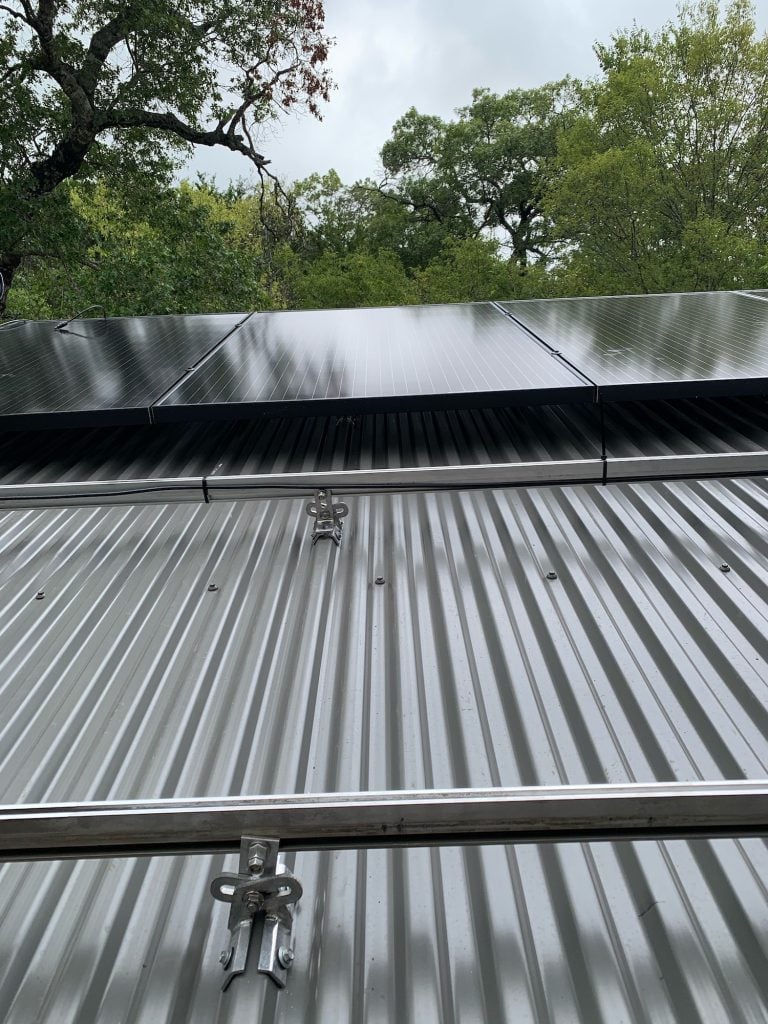
Answer: With Rail: Rails mount to standing seam metal roofs via non-penetrating clamps. EF has two options: brackets can attach to the roof panel’s rib only, or brackets may attach in the roof panel’s valley and into the structure when preferred.
Answer: With Rail-less: Rail-less solutions use the roof’s structural seams or ribs as the rails. The seams on standing seam roofs become the rails. EF trapezoidal ribs or corrugations are also structural elements of the roof design and can be used as rails. This offers greater flexibility in module placement because they completely cover the roof from end to end on 6- to 12-inch spacings.
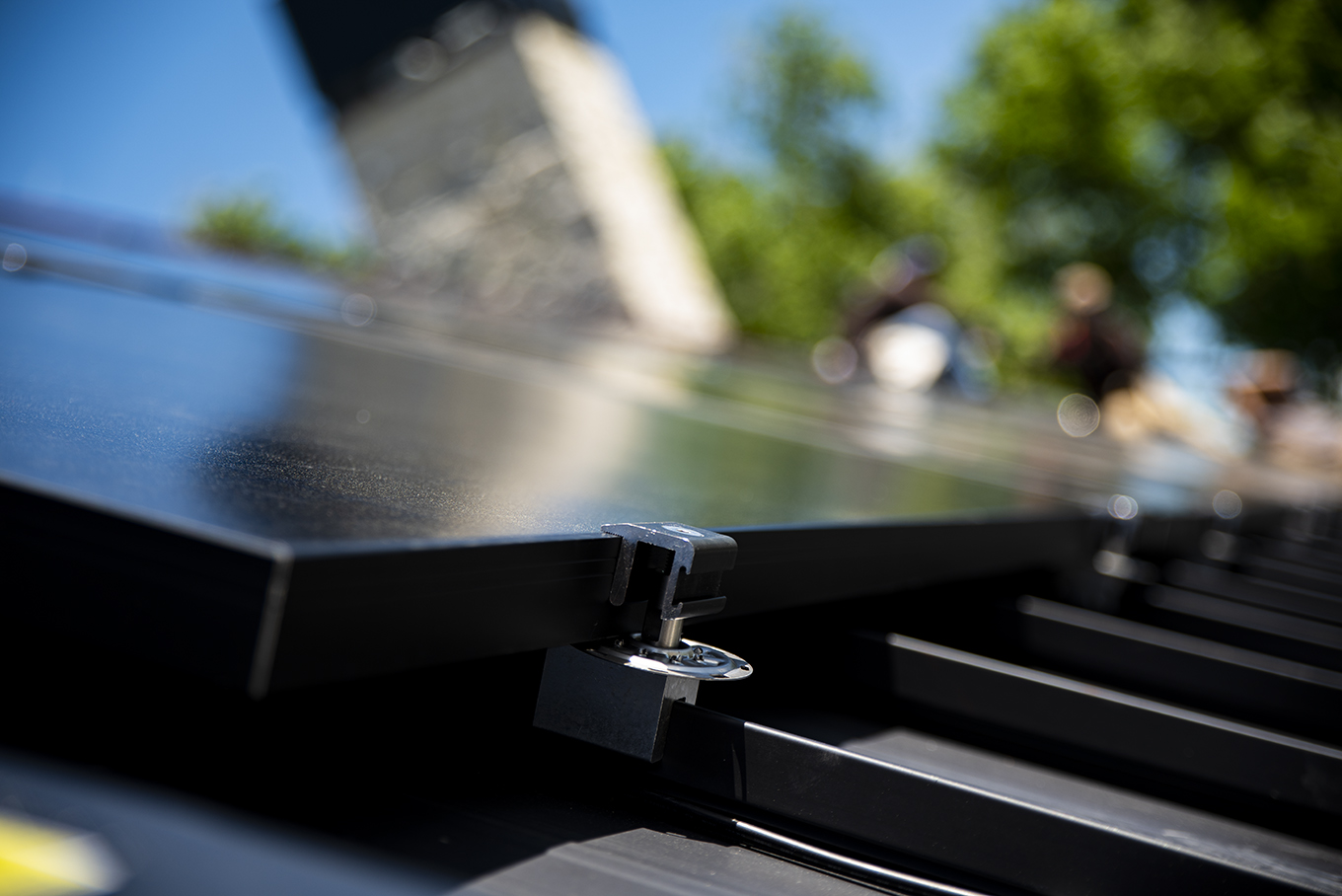
Ejemplo de módulos montados en un tejado de chapa con montaje solar sin raíles
(Product shown: S-5! PVKIT® railless solar mount)

Question: Does the Weight of Your Solar PV Mounting System Matter?
Answer: With Rail: The weight of the system can make a difference. Clamps and rails are ~ 19 lbs./kilowatt peak (kWp). Most new metal roofs can support the weight.
Answer: With Rail-less: Rail-less is <3 lbs./kWp, which equates to approximately 85% lower added dead load. Lower added load is extremely helpful as an existing building may not have been designed to carry much additional weight. Rail-less also offers 25% better load distribution onto the roof and into the structure.
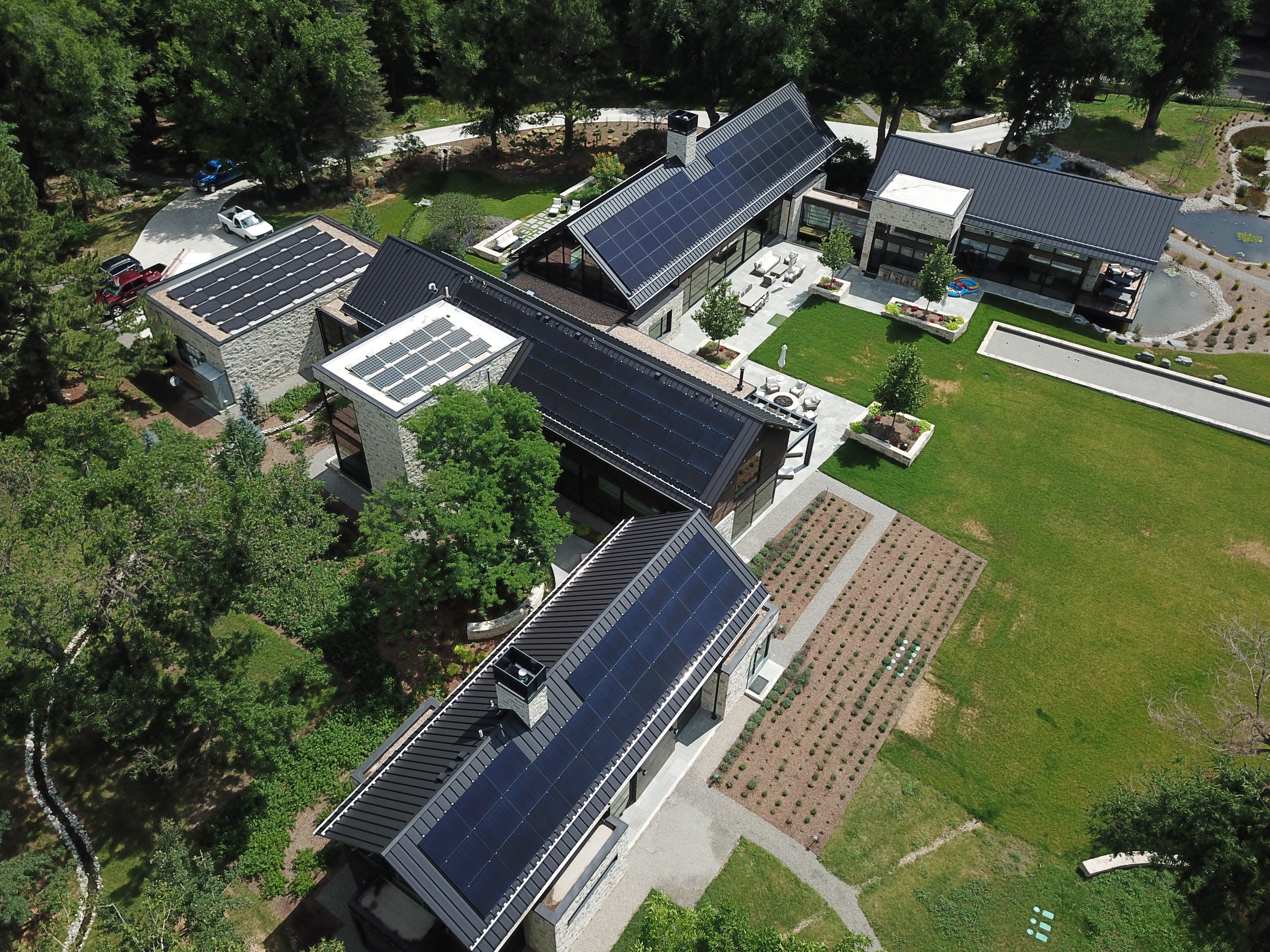
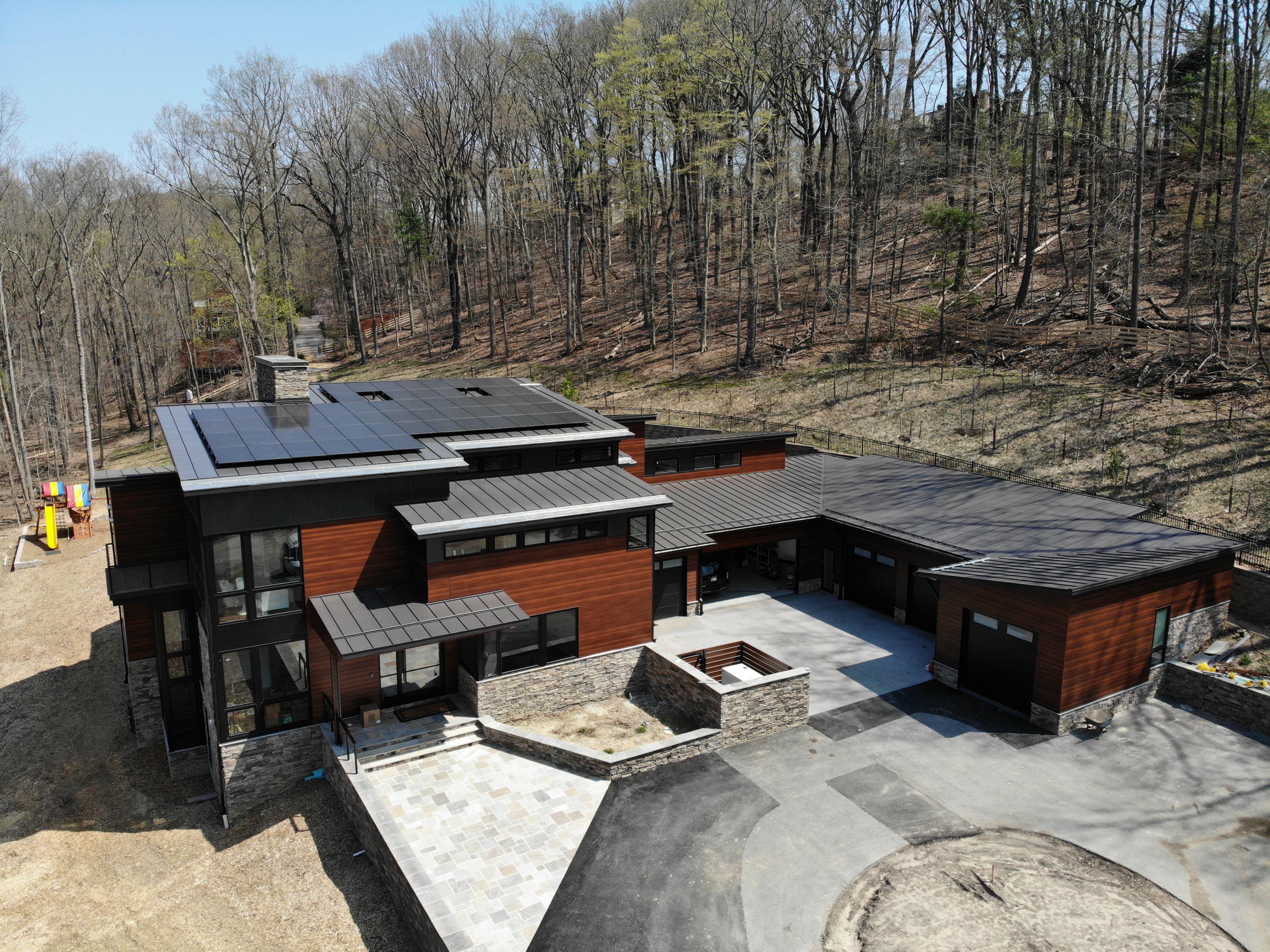
Residential project with a rail-less solar mounting system

Question: Are There Obstacles on Your Roof (Skylights, HVAC Equipment, Vents, Hips, Valleys or Dormers)?
Answer: With Rail: Rails will likely need to be field-cut to work around obstructions and architectural elements.
Answer: With Rail-less: Rail-less solutions easily adjust to avoid obstacles and can be used in smaller areas where cutting rails to fit properly is time-consuming and unsightly.
Solar Module Layout

Question: Is There a Difference In How the Solar Modules Are Oriented?
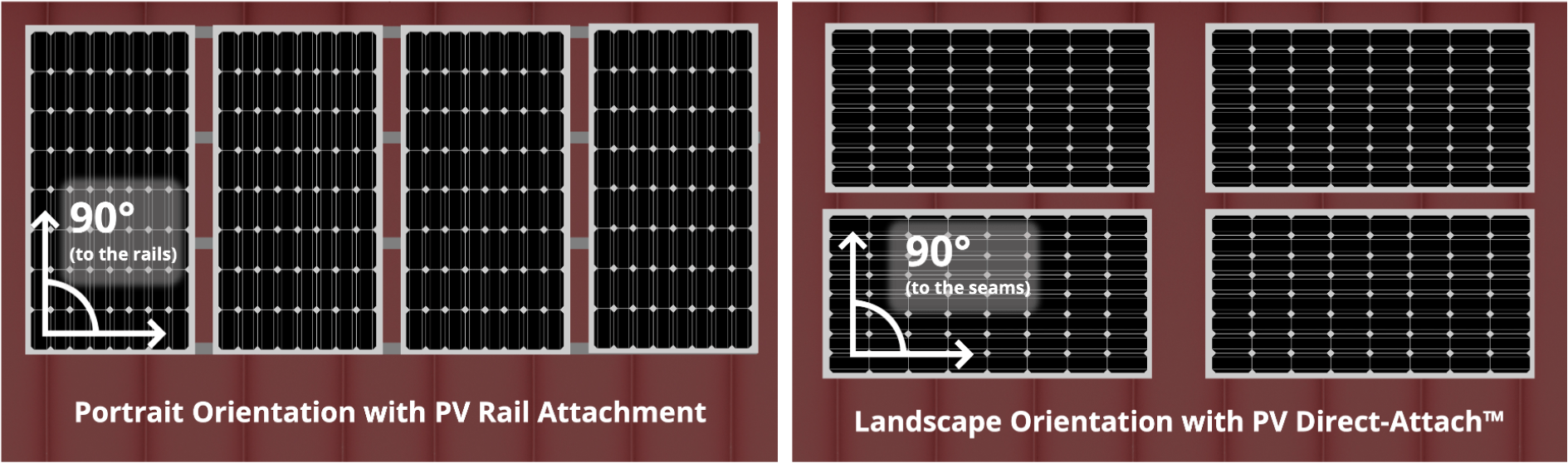
Answer: With Rail: Rails are laid out across the ribs or seams (East-West), resulting in a portrait module orientation – 90 degrees to the rails.
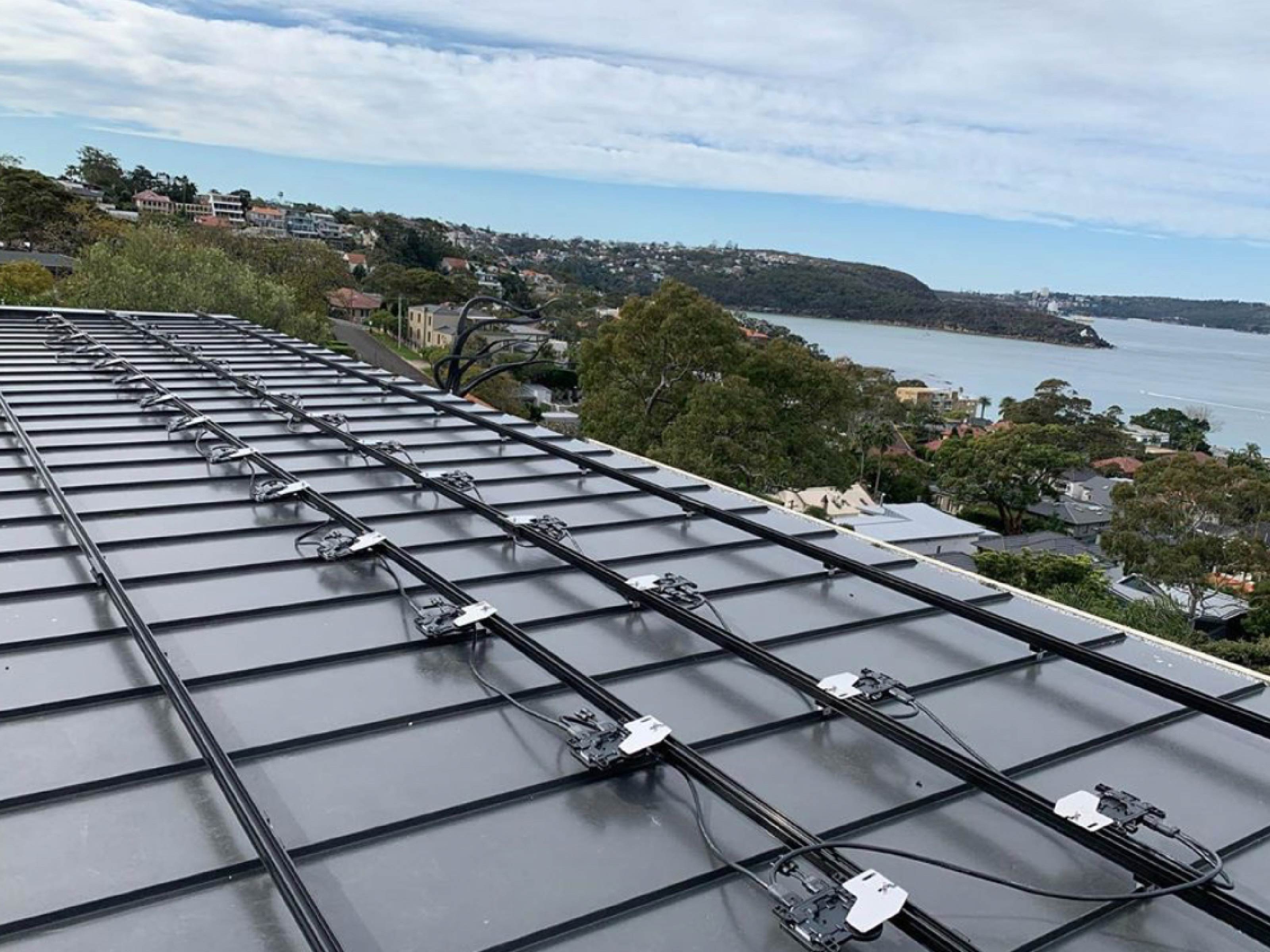
Sistema solar sobre raíles
Answer: With Rail-less: Because standing seams or exposed-fastened ribs are the rails and run in a North-South direction, modules are installed in landscape orientation – still 90 degrees to the roof’s inherent “rails.”
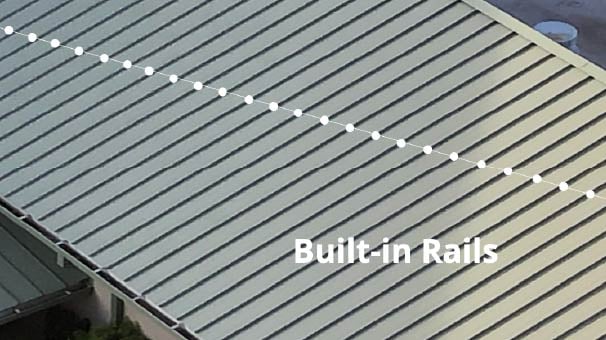
Las juntas alzadas o las nervaduras a la vista de un tejado metálico ofrecen raíles integrados para la fijación de módulos solares.
While we’re on the topic of laying out your solar PV array, planning wire management is also an important issue. Check out our latest video on Best Wire Management Practices in Railed and Rail-less Solar PV.

Question: Do You Need to Tilt Your Panels?
Answer: With Rail: If you have a relatively flat roof and want to tilt the array to capture the sun’s best angle, tilting is possible.
Answer: With Rail-less: Tilting is not possible.
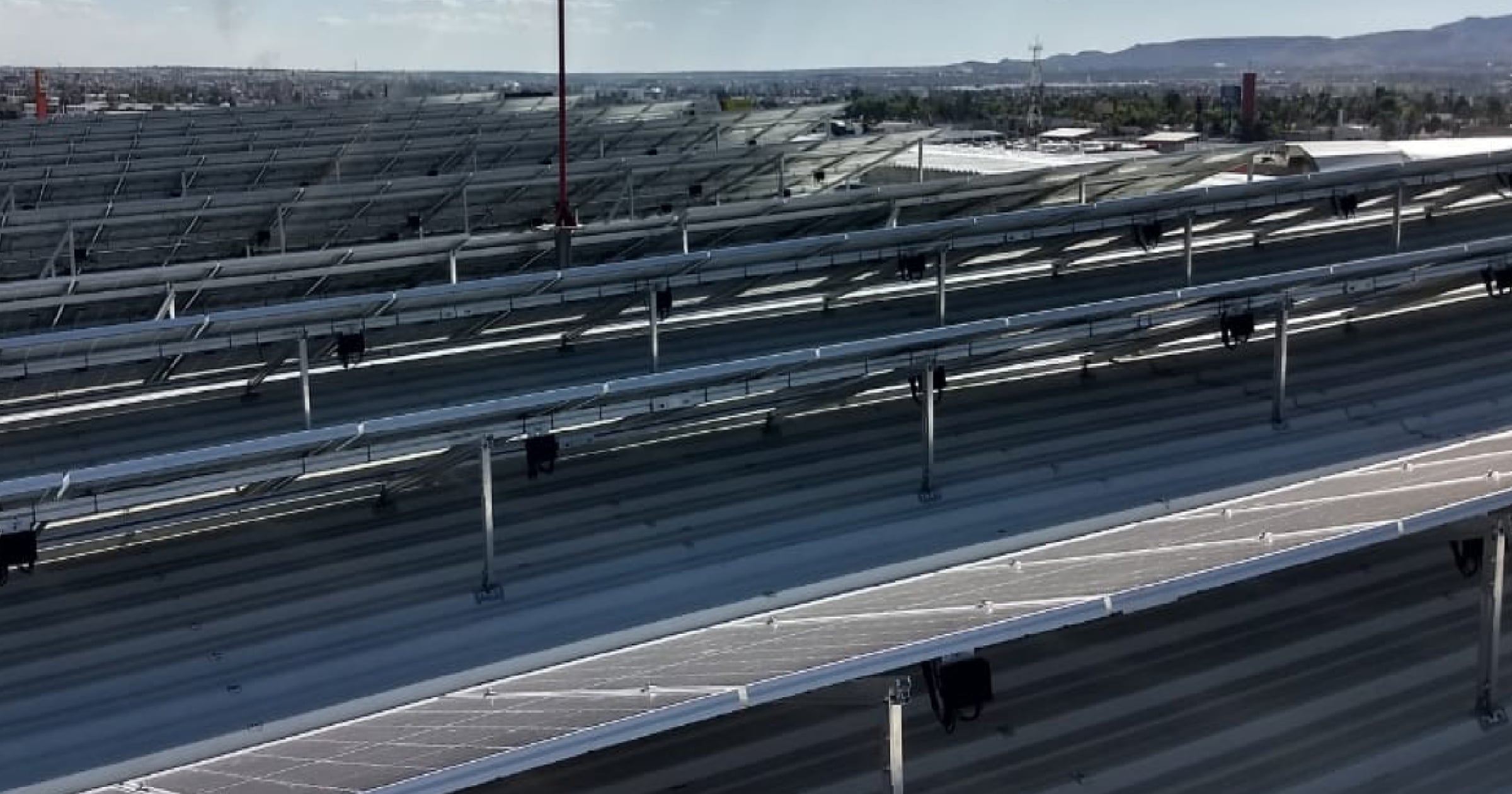
Ejemplo de instalación fotovoltaica sobre raíles inclinados
(Producto mostrado: S-5! ProteaBracket™)
¿Necesita ayuda para encontrar el soporte adecuado para su próximo proyecto de montaje solar?
Tell us about your project and we’ll guide you to the best fit product for your specific roof panel.
Solar Installation Costs

Question: How Much Do You Want to Spend on Installation?
Answer: With Rail: Los raíles y componentes requieren tiempo para su trazado, montaje, mano de obra e instalación. 
Answer: With Rail-less: Pre-assembled rail-less systems require only about 90 seconds per module to install once you get the hang of it.


Question: How Many Parts Are Required?
Answer: With Rail: Traditional rail systems generally require nine to 12 components for a solar PV array.
Answer: With Rail-less: State-of-the-art, rail-less systems can consist of no more than three components and save up to 35% or more on material costs.

Question: Will You Need to Ship Materials?
Answer: With Rail: Rail systems require heavy components – and many more of them than rail-less. Using the example of a 50-kilowatt (kW) system, rail mounting would clock in at about 970 pounds, which means you pay the weight-calculated commercial freight charges.
Answer: With Rail-less: Fewer materials and much lighter components average 149 pounds for the same 50 kW system as above—15% the weight of rail mounting.
Sistema solar sobre raíles
Ideas a las que aferrarse
Las soluciones de montaje de paneles fotovoltaicos sobre raíles y sin raíles tienen ventajas e inconvenientes. Hoy hemos tratado solo algunas ideas sobre consideraciones relativas al tejado, aspectos de la disposición y costes para que te hagas una idea de las diferencias.
Independientemente del método de fijación que elija, tenemos soluciones probadas para satisfacer sus necesidades.
 |
Still weighing rail vs. rail-less? Get the checklist to walk you through the multiple factors and help make an informed decision. |
Si tiene preguntas concretas, siempre estamos aquí para ayudarle. Simplemente coméntelo a continuación o póngase en contacto con nosotros en support@s-5.com.

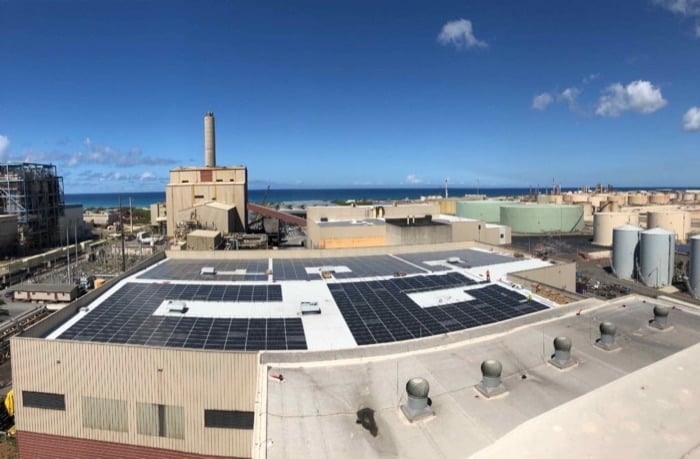
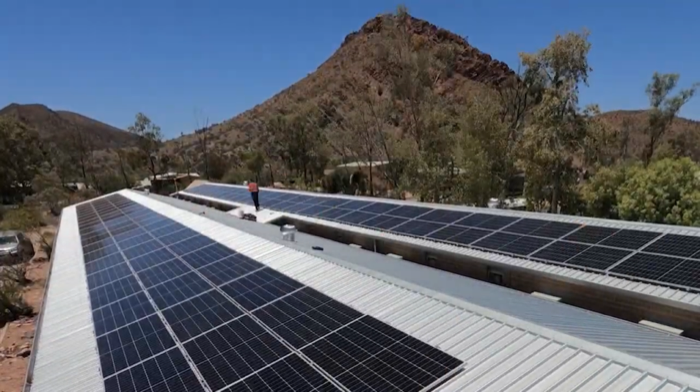
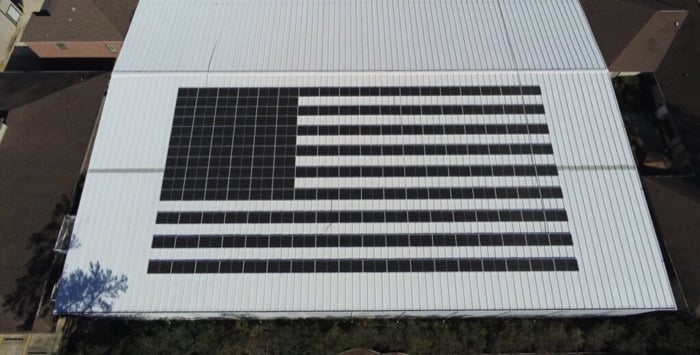
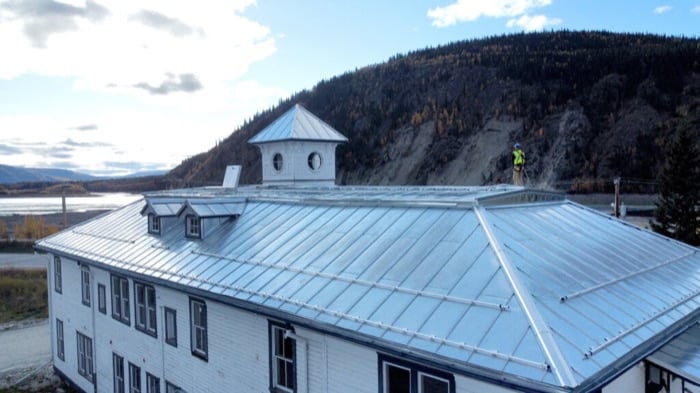
 Existen dos enfoques principales para fijar los módulos solares: se utiliza raíles; el otro es sin raíles. En las instalaciones con raíles, los raíles metálicos se fijan al tejado y los módulos solares se sujetan a los raíles para mantenerlos en su sitio. Los sistemas sin raíles fijan los componentes directamente al tejado para sujetar los módulos solares. Cada uno tiene sus propias características.