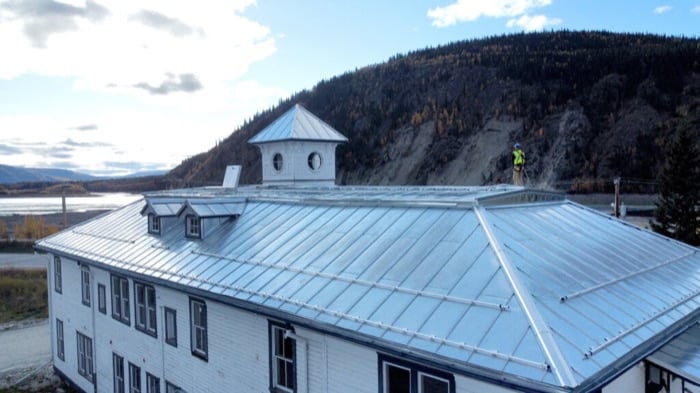
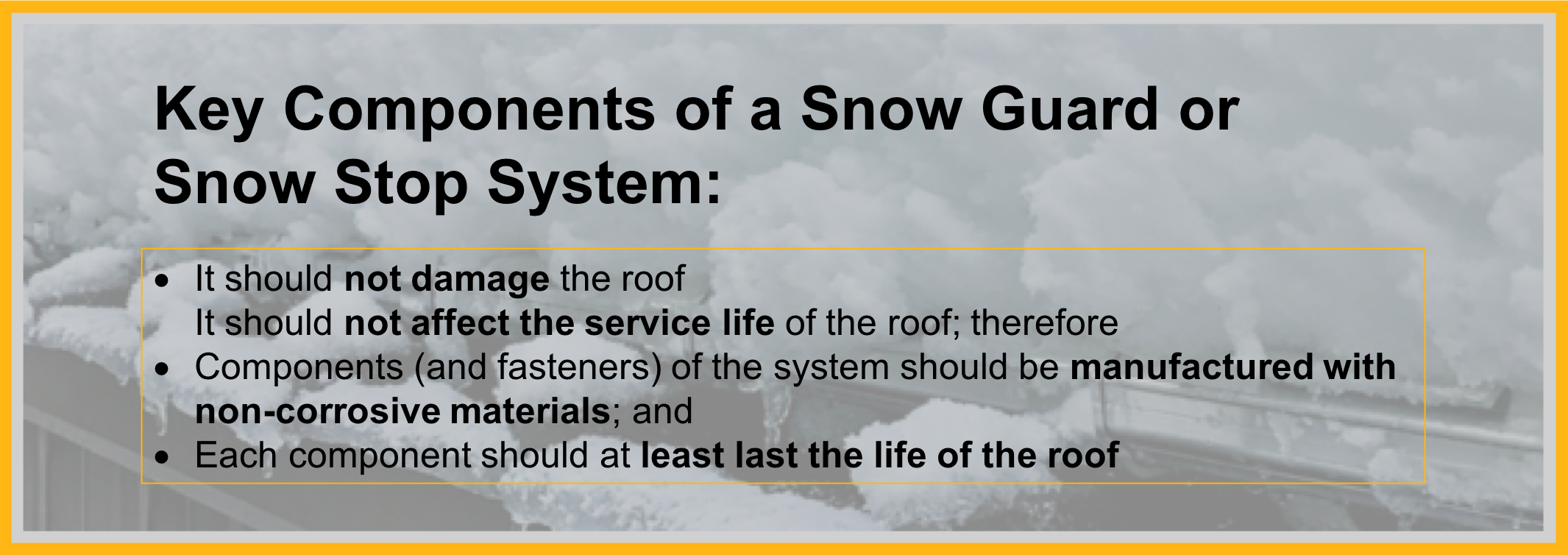
Dicho todo esto, para ser eficaz, un sistema de retención de nieve debe integrarse en el tejado (aunque no necesariamente debe penetrar en él). Dejando a un lado la jerga técnica, cualquier sistema de retención de nieve de calidad debe seguir unos principios básicos de ingeniería. Esto comienza con pruebas de carga.
El hueso de la pinza está conectado al hueso del panel
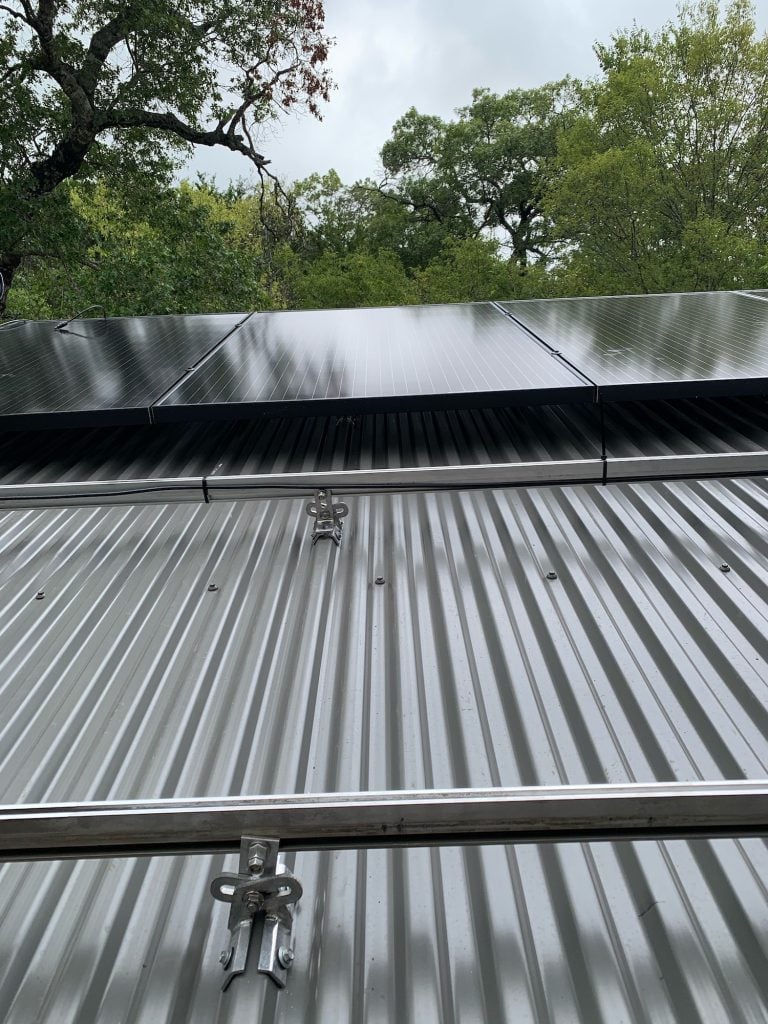
A snow guard system often has a beam-like cross-member, which “spans from clamp-to-clamp (or bracket to bracket) and is designed to restrain the snowpack and transfer the force of sliding snow into the clamp and/or bracket.” Structural components (e.g. mechanically fastened unitized snow-guards, seam clamps anchored to the roof seam, cross-members, or brackets that support cross-members) anchor the system and transfer “the vector load of the snowpack to the structure, roof covering, or another primary component.” Let’s further define these structural components.
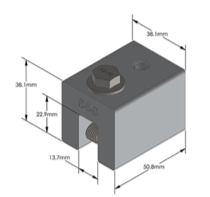 |
Seam Clamp: Also known as a standing seam roof clamp, is a non-penetrating element that pinches the seam using rounded point set screws tensioned against the seam material. “The seam clamp transfers load from the continuous snow-guard into the panel seams.” |
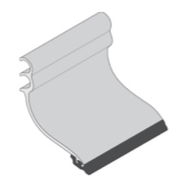 |
Snow Clip/Ice Flag/Snow Flag/Splices: Clips are minor components, but they do enhance the performance of the primary components listed above. Their purpose is to “restrain snow and/or ice from sliding beneath the cross-member.” |
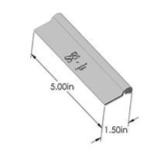 |
Cross-Member Splices: Purpose is described above, but specifically, these splice or join sections of cross-members to “maintain alignment and/or structural continuity.” A splice is used to expand your system across the roof. |
{{cta(‘f14e8e91-59fe-491a-8d79-f2a822e0c995’,‘justifycenter’)}}
Entonces, ¿hasta qué punto es importante colocar una protección contra la nieve?
Para el observador casual, la colocación de la protección contra la nieve en el tejado puede no parecer muy científica en un principio. Incluso se podría sugerir que cuanto más aleatoria sea la colocación, mayores serán las posibilidades de retener la nieve. Esto no es necesariamente cierto y, de hecho, puede ser una sugerencia bastante peligrosa.
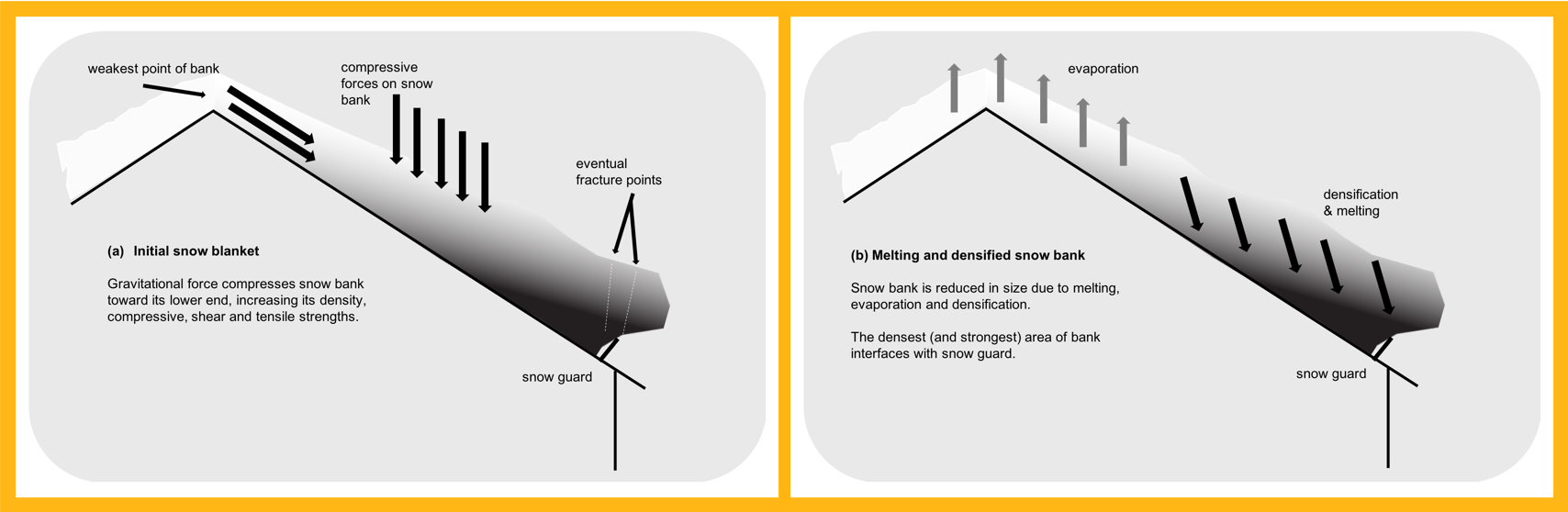
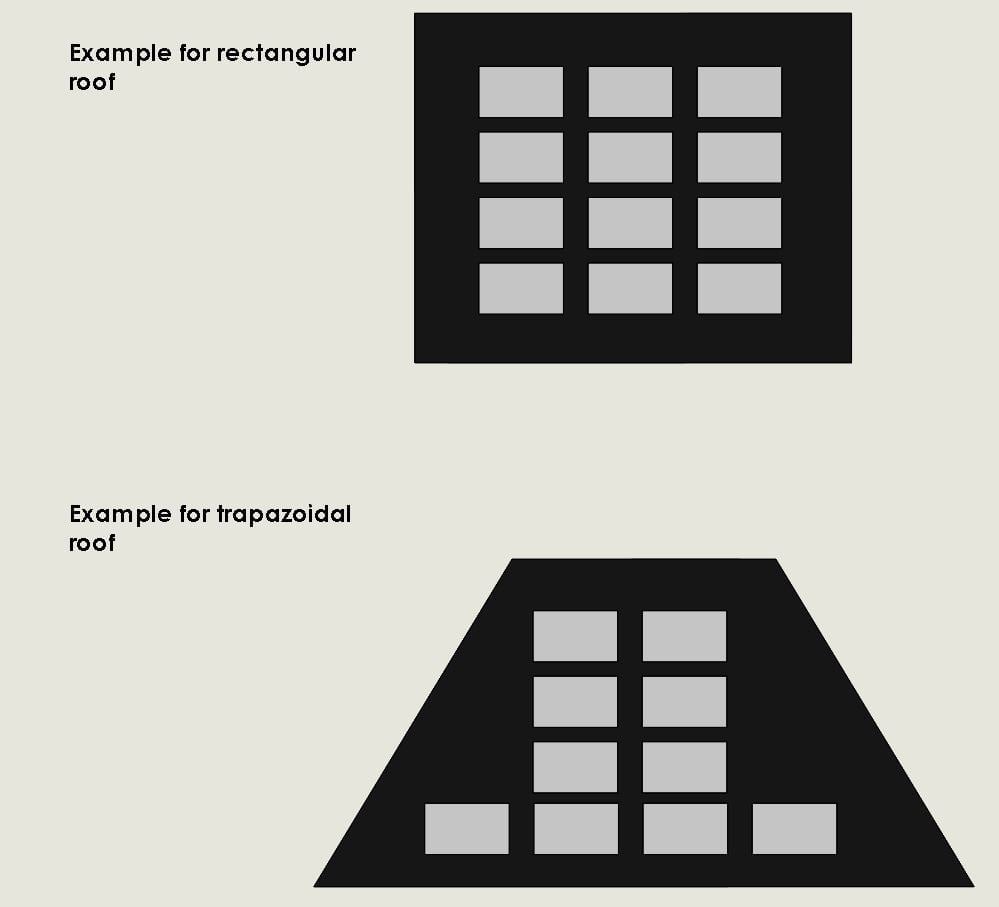
Snow densification is a science unto itself and requires a series of calculations to aid in guard placement. Metal Roof Design for Cold Climates is an excellent resource and reference guide. But generally, “the entire eave line of a building should be protected, rather than focusing on an isolated area of the roof.” It is difficult to determine exactly how snow will react on a short section of snow guards on a very large roof. Additionally, it is unwise to only position snow guards above doorways. You might not be walking under a particular roof section, but you create unstable, unpredictable, and uneven load balances on the roof panels and snow guards.
As unpredictable as snow may appear to be, these tested and trusted guidelines are successful in facilitating safe snow guard system design. Generally stand-alone and unobstructed sloped metal roofs, more often than not, force snow “to accumulate, densify, and migrate…with somewhat greater concentration near the eaves.” But different designs dictate different needs. MCA (and S-5!) always recommend that snow guards and snow retention systems be installed on a job-specific basis after determining the best design for the project.
"Ya no se trata de "Buyer-Beware
No industry standard exists for the process of designing and testing snow retention systems. This speaks to the critical nature of the educated consumer as well as the conscientious vendor. But with lives and property at stake, there is no excuse for installing a faulty snow retention system. Qualifying Snow Retention Systems for Metal Roofing is your go-to-source for engineering-based, vetted, technical data that will assist in qualifying and selecting snow retention products and sources that perform consistently for the protection you need.
S-5! se toma en serio el producto y el diseño ofreciendo herramientas en línea que siguen las directrices de MCA para cada uno de nuestros sistemas de retención de nieve. Explore nuestra línea completa de topes para nieve y soluciones de retención de nieve. Tanto si su objetivo principal es la combinación de colores, el diseño arquitectónico, la resistencia adicional o un acabado liso de latón, todos nuestros productos han sido probados, son de confianza y están diseñados para reducir drásticamente los riesgos asociados a las avalanchas en los tejados, manteniendo al mismo tiempo las líneas limpias del tejado. ¿Tiene más preguntas? Explore nuestra completa lista de preguntas frecuentes.
For additional trusted and technical information and advice, check out MCA’s (Metal Construction Association) vast library of free downloadable documents.
Recuerde: la retención de nieve no es vudú. Tampoco son conjeturas: ¡es ciencia probada!
Revisit Part 1 in our series on qualifying snow retention systems.
{{cta(‘69561d2c-6662-40e7-b60c-8afbf4f8700b’)}}
…to the S-5! Blog!